We stay where the work is hardest.

Story Opening

I have walked village roads before sunrise with mothers, teachers, traders, and farmers who refused to let isolation define their future; at Moassesa Enkeshaf Paydar Eghtesadi wa Ejtemai, we listen first, return often, and build programs that move at the pace of trust so that a classroom reopens, a market stall survives winter, and a community keeps its dignity in plain view.

Timeline

Years carried by people, not reports.

A working chronology of field decisions, setbacks, and returns across Afghan communities.

2008

Listening posts in Kabul and Herat

Our first team meetings happened in borrowed rooms, documenting how families balanced displacement, debt, and school access. The organization formed its method here: local interviews first, outside assumptions later.

2012

Women-led savings circles take hold

Small rotating funds began to stabilize household spending in districts where cash disappeared between harvests. Program notes from that year show women turning emergency support into a durable local safety net.

2018

Field schools move beyond pilot stage

Training shifted from one-off workshops to repeated on-site visits, combining livelihood coaching with practical literacy support. The work became slower, deeper, and far more resilient because the same faces kept returning.

2024

Documentation becomes protection

With movement more constrained, careful records, photo evidence, and community testimony became essential. We expanded story-based monitoring so local partners could show what was still functioning and what required immediate support.

Faces

The people who hold the line.

Move across the rail to meet coordinators, teachers, mobilizers, and community partners.

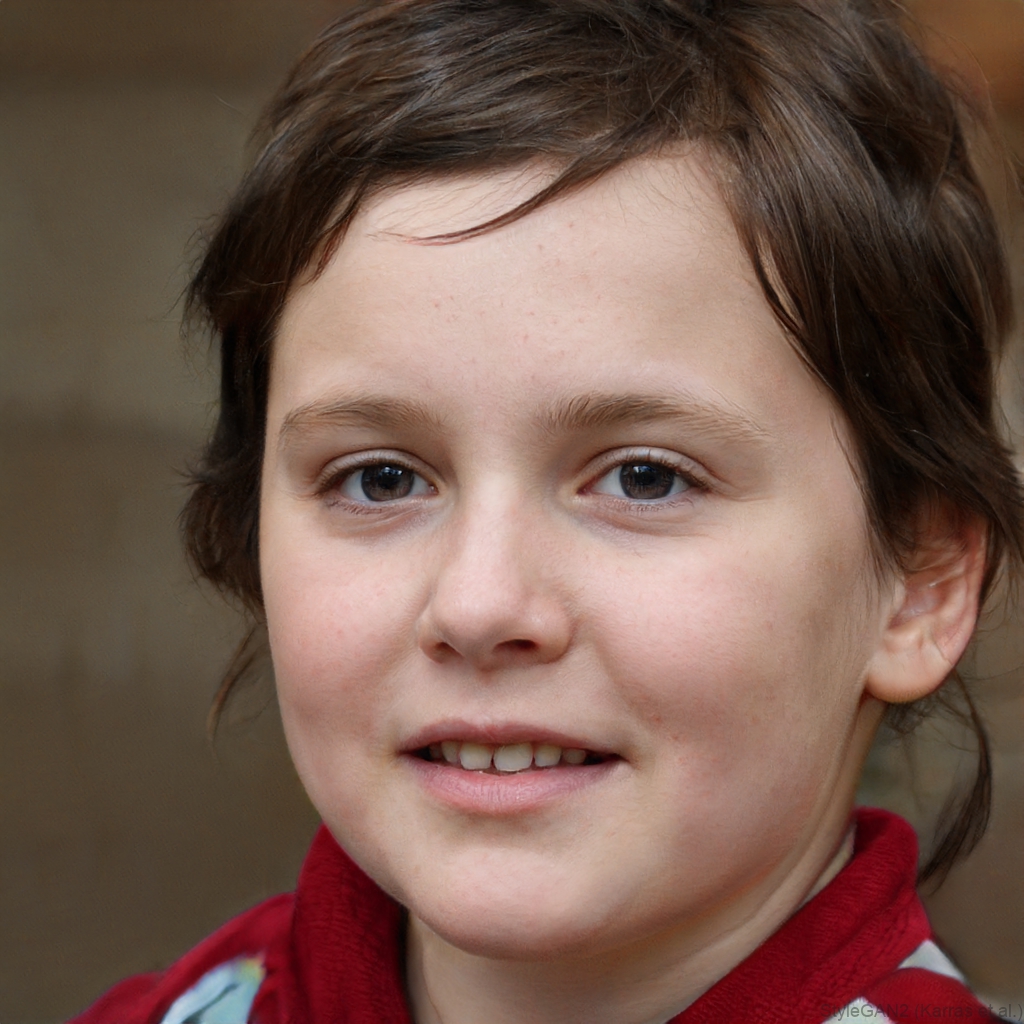
Portrait of Laila Ahmadi
Laila Ahmadi
Community Mobilizer
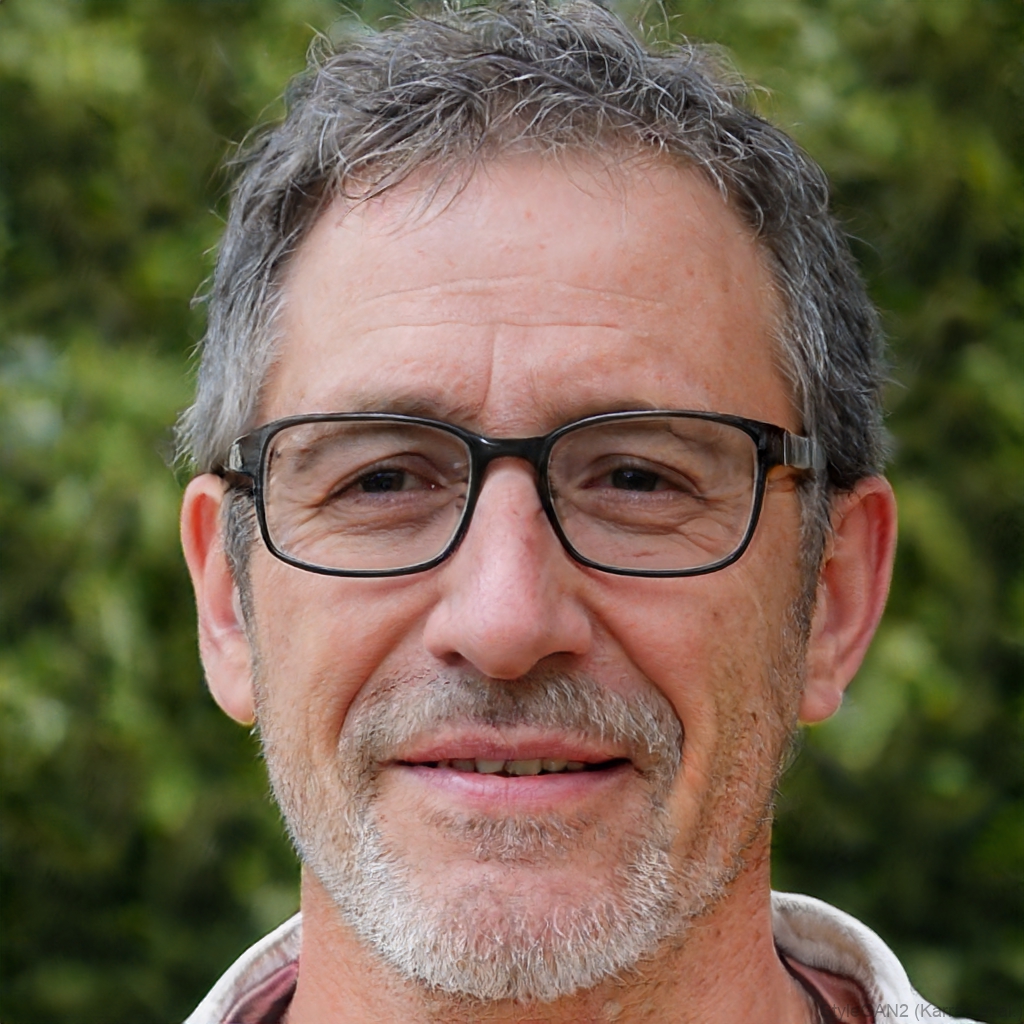
Portrait of Farid Rahmani
Farid Rahmani
Field Research Lead
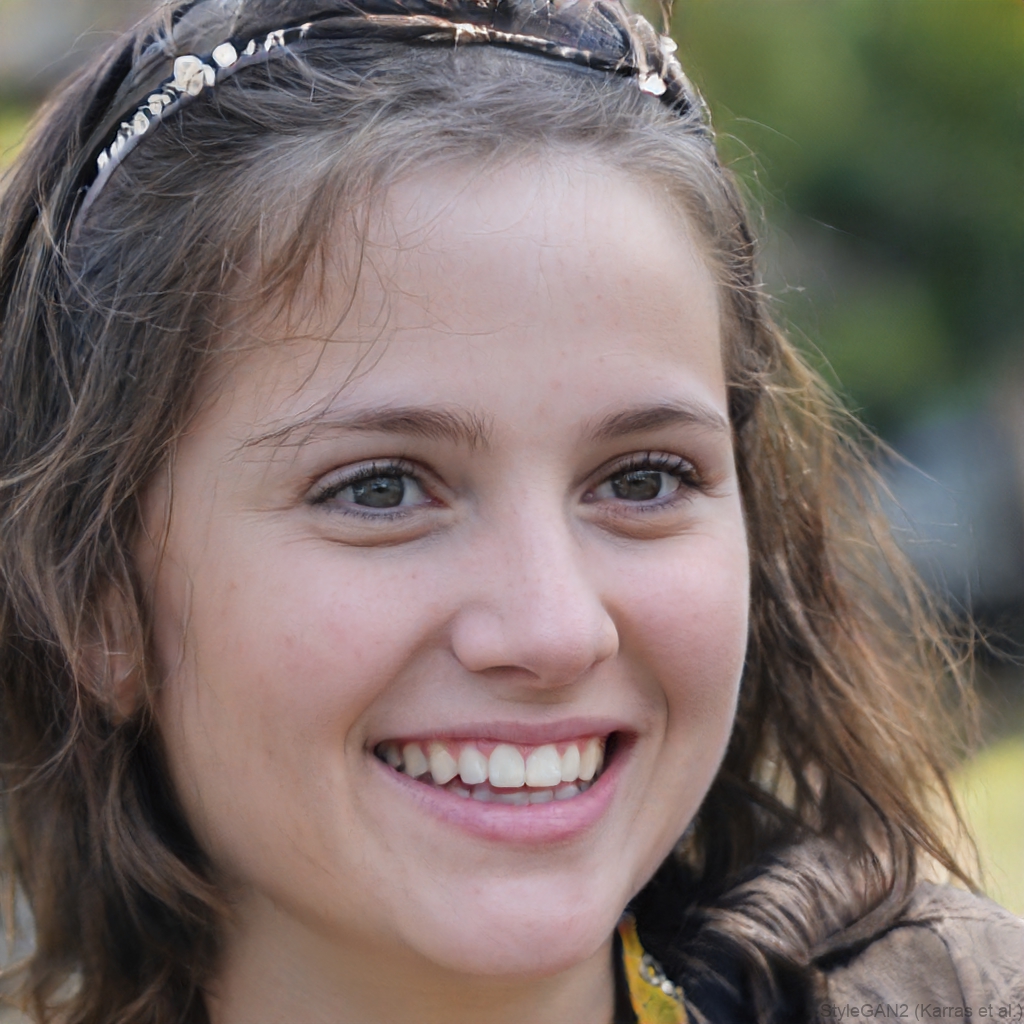
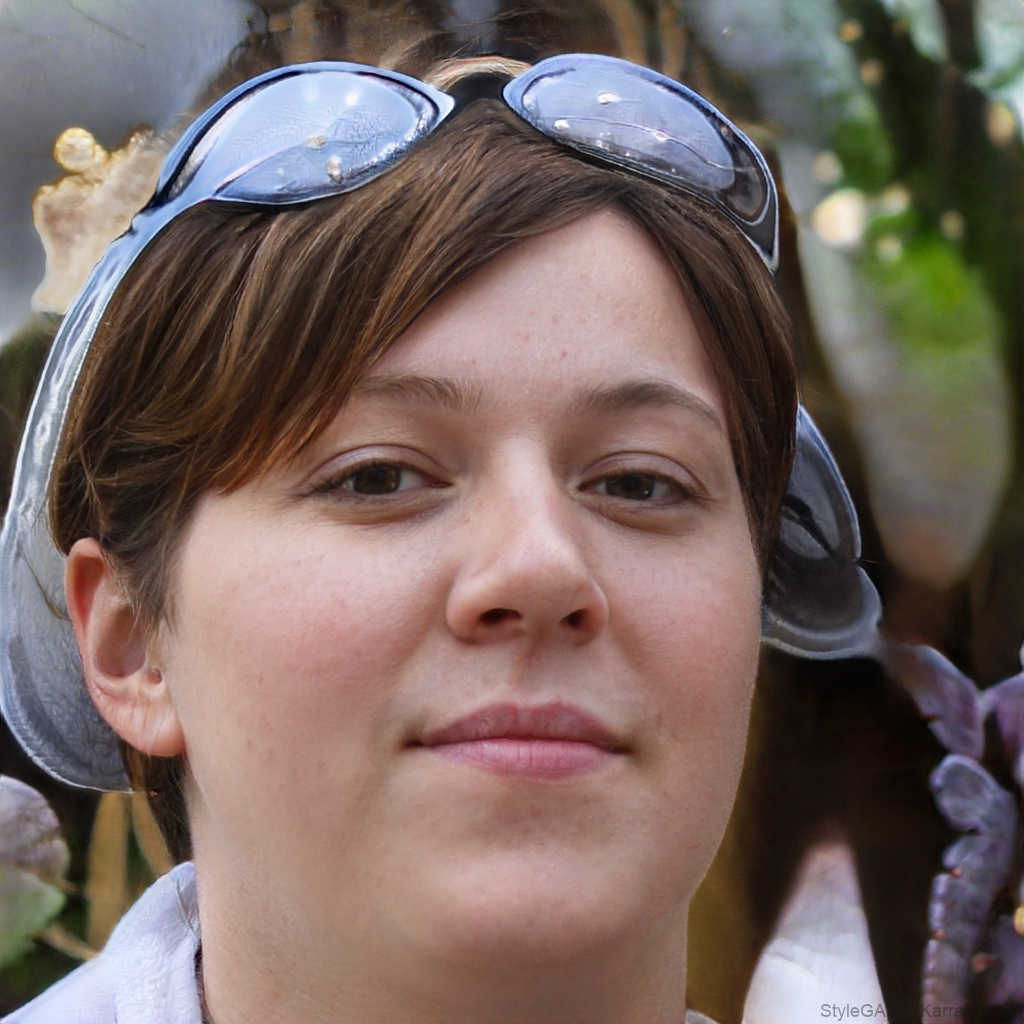
Portrait of Sahar Wafa
Sahar Wafa
Education Officer
Portrait of Hameed Azizi
Hameed Azizi
Logistics Coordinator
Portrait of Mariam Sediqi
Mariam Sediqi
Livelihoods Trainer
Portrait of Ahmad Jawid
Ahmad Jawid
Provincial Liaison
Portrait of Shukria Noori
Shukria Noori
Case Documentation Officer
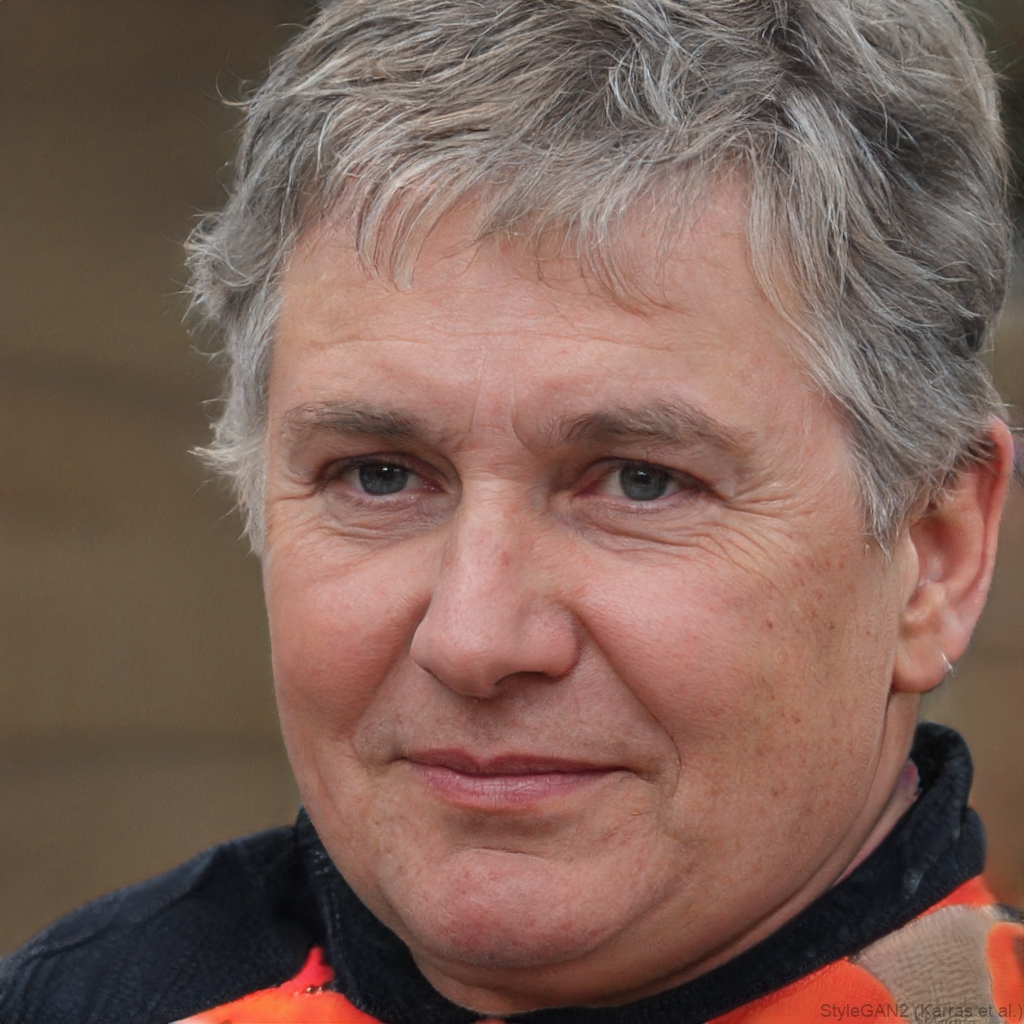
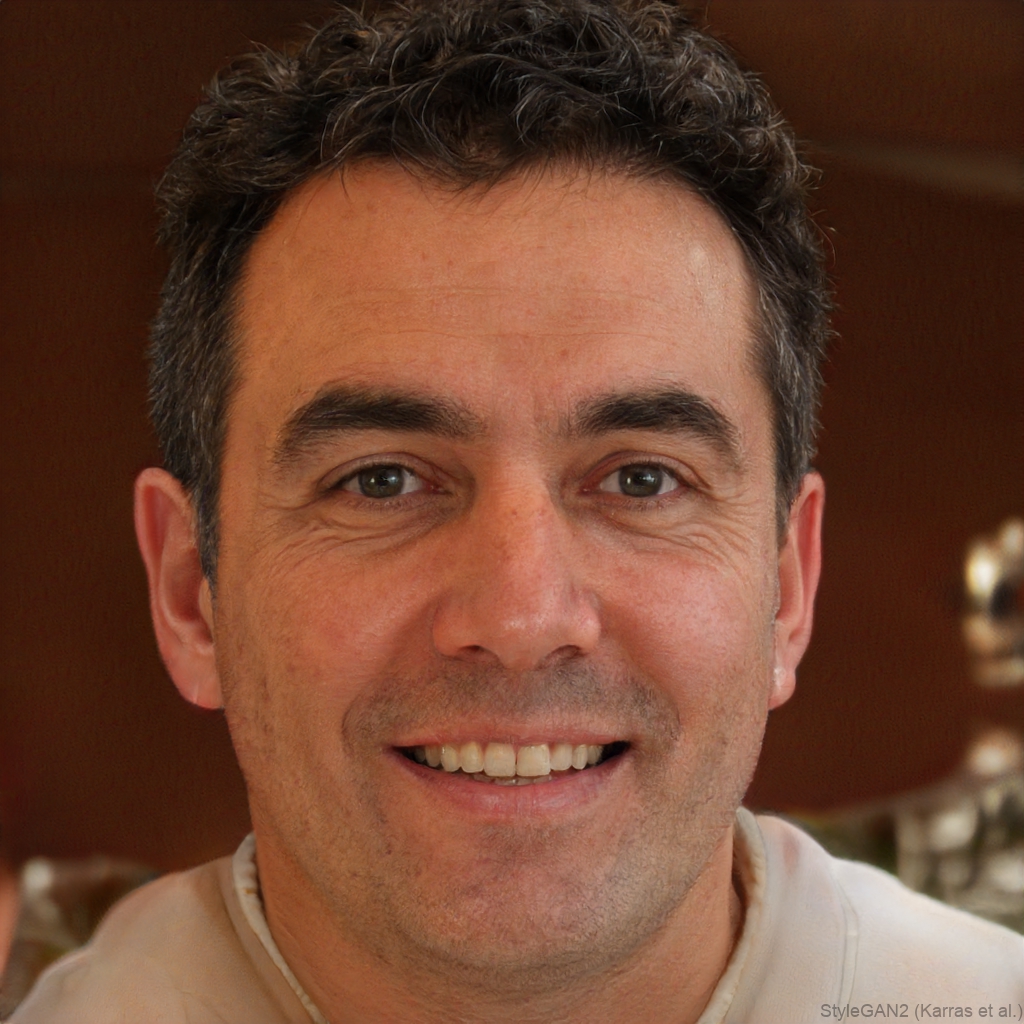
Portrait of Michael Johnson
Michael Johnson
Director

Field Notes

Short lines from the workday.

Women gathered during a community session
"When the road closes, the lesson plan changes, but the class still meets."
Teacher, Kabul Province
Participants seated in a training session
"The smallest loan was enough to keep three families trading through winter."
Market committee member, Herat
Group discussion in a local program space
"We stopped asking for visitors and started asking for partners who return."
Village elder, Nangarhar
Field team standing together outdoors
"Documentation matters because memory alone is too easy to erase."
Field officer, Balkh

Location Map

Active points across Afghanistan.

The map highlights the recurring cities and corridors where the organization documents needs, supports partners, and tracks continuity.

Behind The Scenes

Field work between the formal visits.

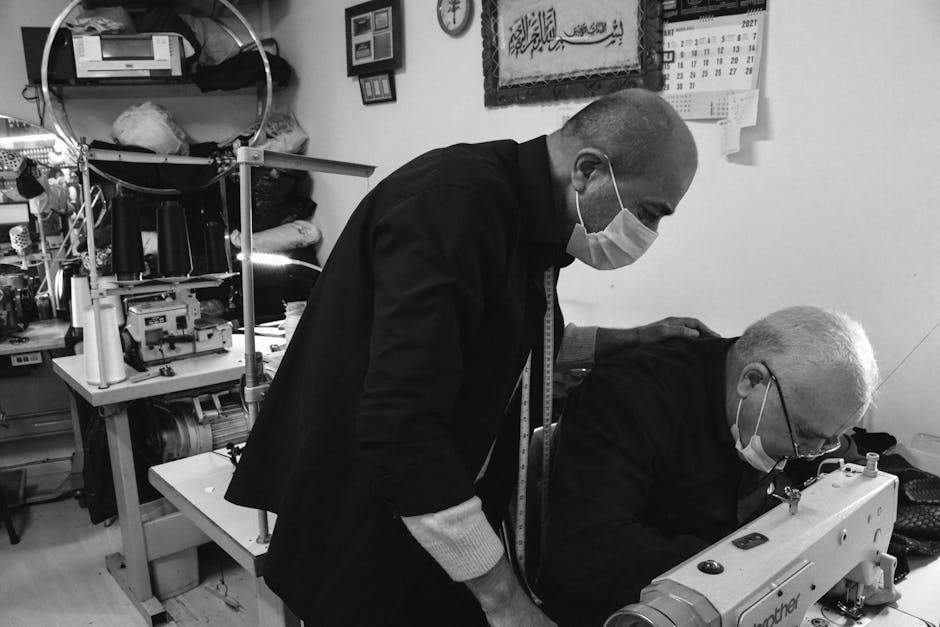
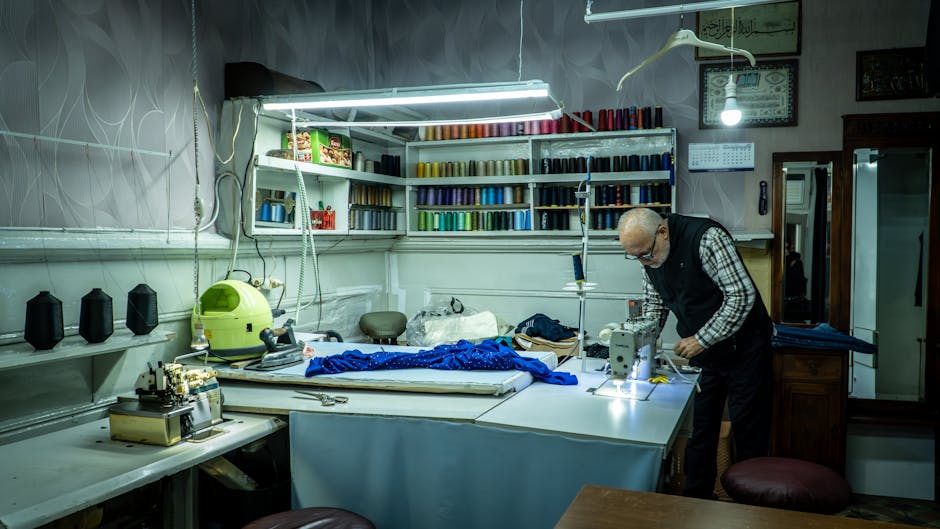
Packing kits, checking roads, documenting classrooms, and staying long enough to understand what changed.

Media Mentions

Selected coverage and references.

Ways To Help

Two direct ways to support the work.

Fund field documentation

Support transport, local researchers, and secure reporting so community evidence continues to reach decision makers.

Contact the director

Commission a local partnership

Work with the team on targeted assessments, community monitoring, or practical program support in priority districts.

Request details